
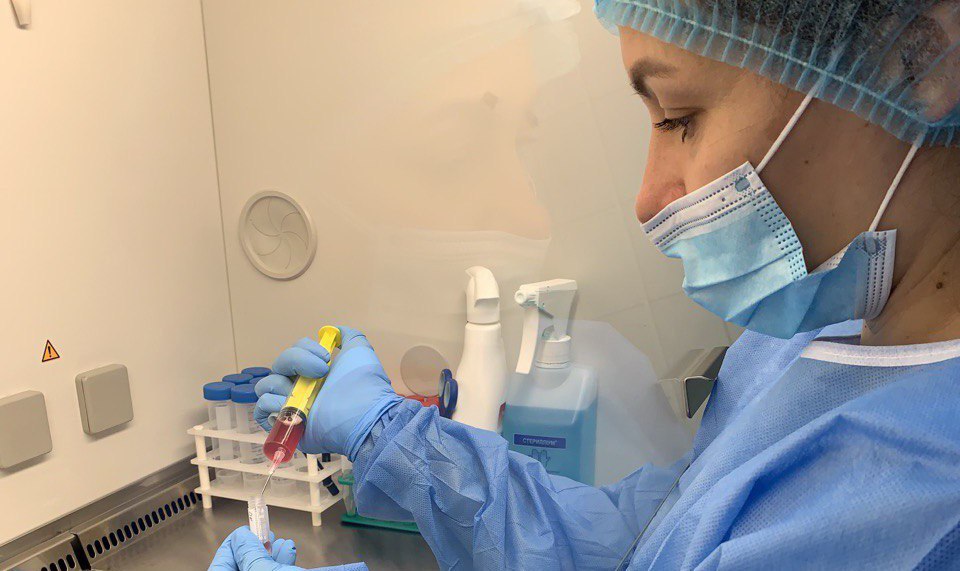
Transplantation of hematopoietic stem cells is a generally accepted and often the only method of treating congenital immunodeficiencies (Wiskott-Aldrich syndrome, chronic granulomatous disease, leukocyte adhesion deficiency, etc.). The therapeutic effect of stem cells in the case of genetically determined defects of the immune system is the same as in other blood diseases – donor precursor cells of immune cells replace the patient’s “incorrect” hematopoiesis affected by the disease.
However, there are also secondary (acquired) immunodeficiencies that have developed under the influence of negative environmental factors, stress, and other diseases. A decline in the function of the immune system inevitably occurs with age. The increase in the incidence of cancer in the elderly is related to this – immune cells, in particular lymphocytes, are less able to recognize and inefficiently destroy cancer cells. Such radical treatment methods as hematopoietic stem cell transplantation are not used to correct secondary immunodeficiency disorders, but cell therapy in smaller doses can be effective in these cases as well.
Thus, research on mice showed that culture media from umbilical cord blood mesenchymal stem cells significantly improved the immunological parameters of old mice and cell changes caused by oxidative stress. The therapeutic effect of umbilical cord blood mesenchymal stem cells on lymphocytes with impaired functional activity due to aging is explained by biologically active substances secreted by these young cells (Bo Sun et al. Conditioned medium from human cord blood mesenchymal stem cells attenuates age-related immune dysfunctions. 2023).
In recent years, there has been an increase in the number of preclinical and clinical trials in which stem cells collected at birth are used to correct age-related changes in internal organs and for cosmetic purposes.